
AI Summary
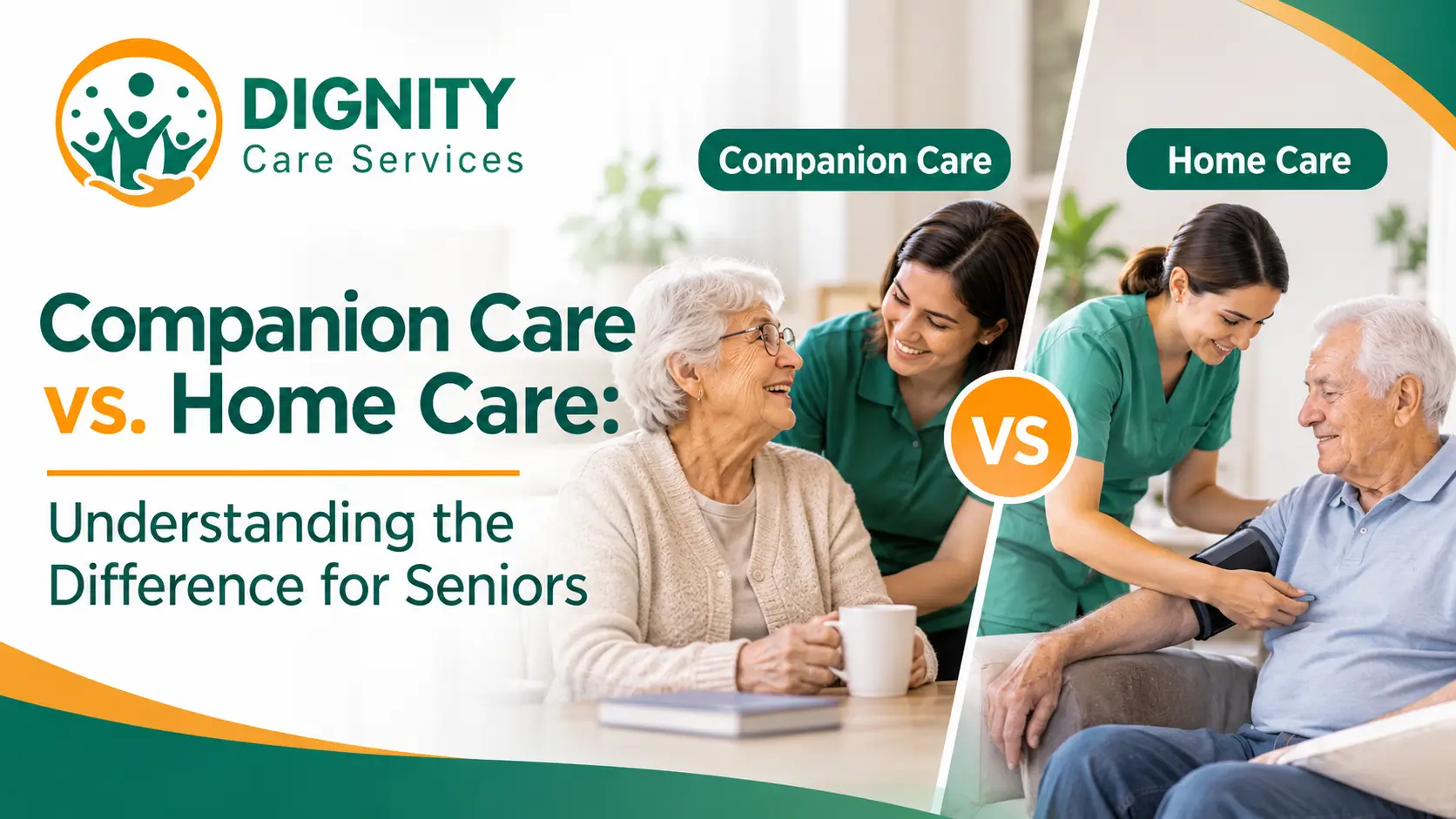
- Companion care provides friendship, emotional support, and help with simple daily activities.
- Home care offers broader assistance, including personal care and everyday support.
- Companion care can help seniors feel less lonely and stay independent.
- Home care may be suitable for seniors who need more hands-on assistance.
- The right choice depends on a senior’s health, lifestyle, and daily needs.
Introduction
Choosing the right care for an aging parent or loved one can feel difficult. Families often hear the terms companion care and home care but may not understand how they differ. Both services help seniors live comfortably at home, but they offer different levels of support. Understanding these differences can help families make better decisions. Whether your loved one needs friendly company or help with daily activities, understanding the available companion care services New Hampshire families can choose from is an important first step toward finding suitable care.
What Is Companion Care for Seniors?
Companion care is a non-medical service that helps seniors stay socially active and comfortable at home. Its main purpose is to provide friendship, emotional support, and assistance with simple everyday activities.
Many elderly people are often alone because family members live too far away or are too busy to visit. This is when companion care services become very helpful.
Some companion care services include:
- Friendly conversations and social activities.
- Playing games, reading or enjoying hobbies.
- Preparing simple meals and snacks.
- Light housekeeping and laundry.
- Grocery shopping and running errands.
- Reminders about appointments and medications.
- Accompaniment to local appointments and outings.
These services allow seniors to enjoy their daily routines while maintaining independence.
What Is Home Care for Seniors?
Home care is a broader type of support provided in a senior’s own home. It can include companionship, personal assistance, and help with everyday activities.
Some seniors may need help getting dressed, bathing, moving around, or preparing meals. Home care can provide this additional support based on their individual needs.
Depending on the provider and care plan, home care may include:
- Bathing and personal hygiene assistance.
- Dressing and grooming support.
- Help with walking and moving safely.
- Meal preparation and household tasks.
- Companionship and emotional support.
- Medication assistance within the caregiver’s permitted role.
- Skilled nursing services when provided by qualified professionals.
The level of care depends on the senior’s condition and the services arranged.
What Is the Difference Between Companion Care and Home Care?
The main difference is the level and type of support provided.
Companion care focuses mainly on friendship, social interaction, and basic household assistance. Home care covers a wider range of needs, including personal care and hands-on daily support.
For example, a senior who lives independently but feels lonely may benefit from companion care. However, someone who needs regular assistance with bathing, dressing or mobility may require a broader home care plan.
It is important to understand that companion care can be part of non-medical home care. Not every home care service includes medical treatment.
Who Needs Companion Care at Home in New Hampshire?
Companion care may be a good choice for seniors who can manage most personal activities but would benefit from regular company and everyday assistance.
It can be especially helpful for:
- Seniors who live alone.
- Older adults who feel lonely or socially isolated.
- Seniors whose family members work full-time.
- Older adults who need help with errands and shopping.
- Seniors who want to maintain their daily routines.
Families looking for companion care at home in New Hampshire can consider a personalized care plan that matches their loved one’s lifestyle and preferences.
When Should Families Consider Home Care Instead?
Home care may be more suitable when a senior needs additional help with personal activities.
For example, difficulty bathing, getting dressed, preparing meals, or moving safely around the house may indicate a need for more hands-on assistance.
Families should also consider professional guidance when a loved one’s daily needs change. A care provider can help identify suitable services and recommend an appropriate level of support.
Can Companion Care and Home Care Be Combined?
Yes. These services can work together when a senior needs both companionship and practical assistance.
For example, a caregiver may spend time talking with a senior, preparing meals, helping with light household tasks, and assisting with approved daily activities.
The care plan can also change as needs develop. This gives families flexibility without requiring unnecessary changes to a senior’s living arrangements.
How Can Families Choose the Right Care Service?
Choosing between companion care and home care starts with understanding what your loved one needs.
Consider these questions:
- Can the senior manage personal activities independently?
- Do they spend too much time alone?
- Do they need help with bathing or dressing?
- Can they prepare meals safely?
- Do they need regular assistance with daily routines?
Families should also ask about caregiver experience, available services, scheduling, and personalized care plans.
For families comparing companion care home care options, choosing a provider that listens to individual needs is important.
Why Choose Dignity Care Services?
Finding dependable support can make a meaningful difference in a senior’s daily life. Dignity Care Services focuses on providing personalized care that supports comfort, independence, and dignity.
Families can explore care options based on their loved one’s needs, whether they require companionship, personal assistance or additional support at home.
The goal is to help seniors feel comfortable in familiar surroundings while giving families greater confidence in their care arrangements.
Contact Dignity Care Services
Looking for dependable support for an aging loved one? Contact Dignity Care Services to discuss personalized senior care options in New Hampshire.
- Phone: 603-340-4218
Frequently Asked Questions –
Q. Is companion care the same as home care?
A. No. Companion care mainly focuses on friendship, social interaction and basic daily assistance. Home care is a broader service that may include personal care and additional support.
Q. Is companion care available for seniors living alone?
A. Yes. Companion care can help seniors who live alone by providing regular social interaction, assistance with errands and support with everyday activities.
Q. Does companion care include bathing and dressing?
A. Traditional companion care generally does not include hands-on personal hygiene assistance. These services usually fall under personal care or a broader home care plan.
Q. How often can seniors receive companion care?
A. The schedule depends on individual needs and provider availability. Seniors may receive care for a few hours, several days a week or on another agreed schedule.
Q. How can I find companion care services New Hampshire families can rely on?
A. Families can contact a local care provider, discuss their loved one’s needs and ask about available services and caregiver arrangements.